







Starbucks Scales Back Urban Saturation, Shuts Stores in Major US Cities
Starbucks Scales Back Urban Saturation, Shuts Stores in Major US Cities
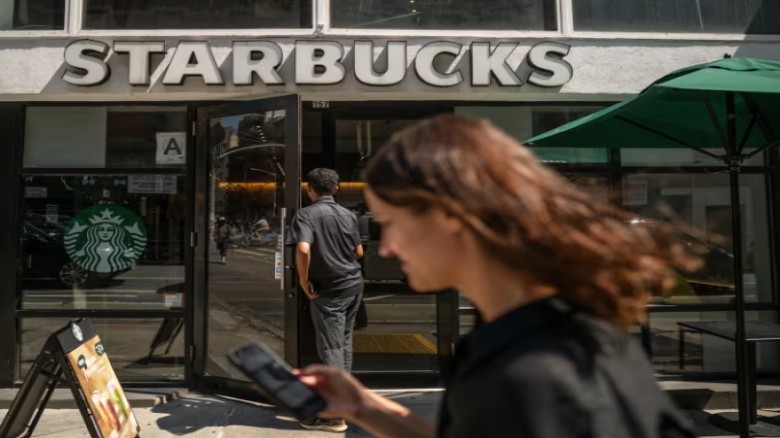
New York: After decades of expanding aggressively across major US cities, Starbucks is rethinking its strategy and pulling back from dense urban markets such as New York and Los Angeles.
Once known for placing outlets on seemingly every corner, the coffee giant is now closing hundreds of stores as it struggles with rising competition, changing work patterns and higher operating costs. The company has shut roughly 400 locations nationwide, most of them concentrated in large metropolitan areas, as part of a $1 billion restructuring plan.
In New York City alone, Starbucks closed 42 stores — about 12% of its total footprint — and recently lost its position as Manhattan’s largest coffee chain to Dunkin’, according to the Center for an Urban Future. Similar closures have taken place across the country, including more than 20 locations in Los Angeles, 15 in Chicago, seven in San Francisco, six in Minneapolis and five in Baltimore.
The shift marks a major departure from Starbucks’ long-standing strategy of saturating cities to capture commuters on their daily routines. That approach has become less effective due to remote work, declining office foot traffic and an explosion of competition from independent cafés, smaller chains and alternative beverage brands.
CEO Brian Niccol, who joined Starbucks last year from Chipotle, is now focused on repositioning the brand as a “third place” between home and work. A Starbucks spokesperson said the company reviewed more than 18,000 stores across the US and Canada and closed locations that were underperforming or unable to meet brand standards. The company plans to open new outlets and remodel existing ones in 2026, including in major cities, with updated designs and enhanced customer experiences.
Analysts say Starbucks is increasingly looking to suburban growth, where rents and labor costs are lower and drive-through formats are more profitable. The company’s urban challenges have also been compounded by post-pandemic population shifts and safety concerns in city centers.
Starbucks has additionally revised its open-access policy, ending the practice that allowed non-customers to use restrooms or stay in stores without making a purchase. New rules now prohibit panhandling, alcohol consumption and vaping inside its cafés.
The closures are part of a broader effort by Niccol to revive the brand after years of stagnant sales and strategic missteps. As part of this turnaround, Starbucks plans to renovate around 1,000 US stores over the next year, adding seating, tables and power outlets to attract customers seeking a place to sit and enjoy their coffee.


Leave A Comment