









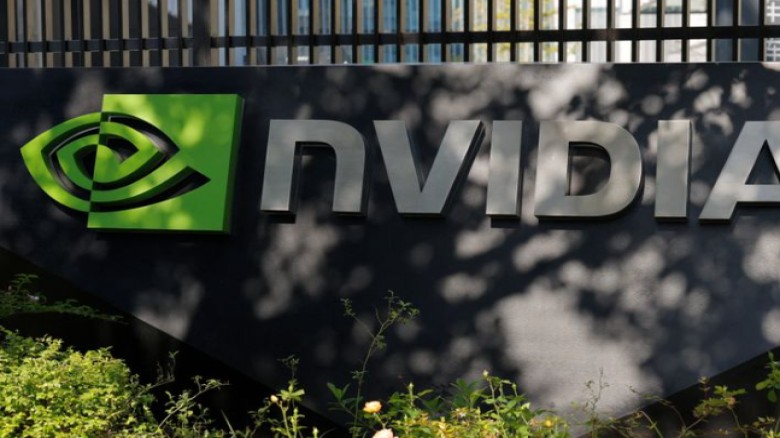
Nvidia Stock Falls Amid Jensen Huang Investigation, Raising Risks for Indian Investors in FANG+ and Nasdaq ETFs
The recent decline in Nvidia shares has raised concerns for Indian investors with exposure to US technology companies through exchange-traded funds, particularly funds tracking the NYSE FANG+ and Nasdaq 100 indices.
The semiconductor company's shares fell more than 4% on Monday, November 9, 2026, after Nvidia announced an independent investigation concerning reports that chief executive Jensen Huang may have been targeted by a foreign intelligence operation.
The development comes during a period of volatility in US technology stocks, where investors have also been reassessing the cost and expected financial returns of large-scale artificial intelligence investments.
Indian investors can obtain indirect exposure to Nvidia through domestically listed funds that invest in US technology shares.
One example is the Mirae Asset NYSE FANG+ ETF, which tracks an index containing ten major US technology and growth companies, including Nvidia.
The fund's units closed at ₹234.91 on the National Stock Exchange on November 9. Its most recently cited net asset value was approximately ₹155.18 per unit as of November 6.
Comparing those figures suggests a substantial difference of around 51% between the market trading price and the reported underlying asset value. However, the figures relate to different dates, so this is not an exact same-day premium.
The difference is important because an exchange-traded fund's market price can diverge from the value of the assets it holds. Investors purchasing units at a substantial premium may face losses if that premium narrows, even without an equivalent decline in the underlying shares.
Another affected investment option is the Motilal Oswal Nasdaq 100 ETF, which also provides exposure to Nvidia.
According to the fund's reported portfolio allocation at the end of September, Nvidia accounted for approximately 8.36% of its holdings, making it the largest individual investment at that time.
The ETF closed at ₹298.59 on November 9, compared with a reported net asset value of ₹247.64 dated November 6. This also indicates that investors should examine the relationship between market prices and updated fund valuations before trading.
Other Indian investment products tracking the Nasdaq 100 provide varying degrees of exposure to Nvidia and related US technology companies.
Because Indian stock exchanges close before regular trading begins in New York, movements in US technology shares may be reflected in subsequent fund valuations and trading sessions rather than immediately.
Nvidia's board has said it has no reason to believe that US national security or company secrets were compromised. Its investigation remains ongoing, and no final findings have been announced.
The controversy does not establish that Nvidia's financial performance or its long-term prospects have permanently deteriorated. Share prices may also respond to earnings, semiconductor demand, export regulations and changes in investor expectations.
For Indian investors, the episode highlights two separate risks: changes in the prices of overseas technology stocks and the possibility of paying more than an ETF's underlying asset value.
Reviewing current fund holdings, published net asset values, market prices and investment risks can help investors make informed decisions during periods of heightened volatility.


Leave A Comment