









Kashmir Travel Guide 2026: Best Time to Visit Srinagar, Gulmarg, Pahalgam and Sonamarg, with Important Safety Updates
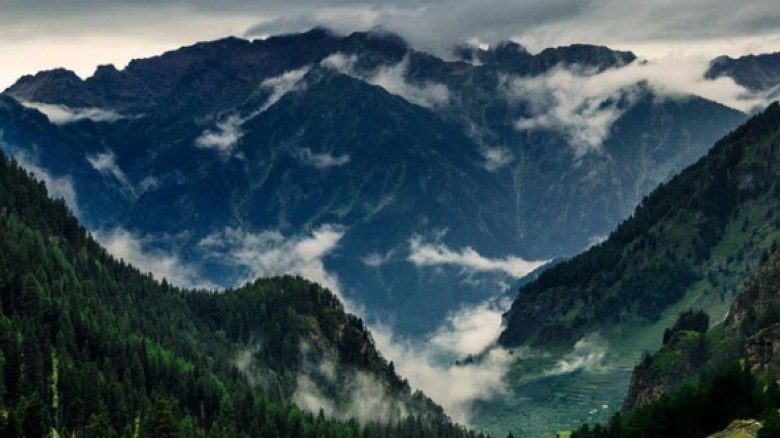
Kashmir remains one of India's best-known mountain tourism destinations, attracting interest for its lakes, alpine landscapes, gardens, traditional handicrafts and distinctive cultural heritage. However, visitors considering a holiday in the region should carefully review current travel advisories and local restrictions before making bookings.
Srinagar, the principal city in the Kashmir Valley, is commonly used as a base for regional sightseeing. Its attractions include Dal Lake, traditional houseboats, shikara rides, Mughal gardens and historic religious sites such as Hazratbal and Shankaracharya Temple.
Gulmarg, approximately 50 kilometres from Srinagar, is recognised for its mountain scenery and winter sports. One of its main attractions is the Gulmarg Gondola, a cable-car system that transports visitors towards the higher mountain areas of Kongdoori and Apharwat.
Gondola operations are dependent on weather conditions, maintenance and ticket availability. The Jammu and Kashmir Cable Car Corporation provides official booking facilities and publishes operational notices, which travellers should check before planning a visit.
Pahalgam, approximately 95 kilometres from Srinagar, is another established tourism centre known for its mountain setting and the Lidder River. However, visitors must distinguish between the town itself and nearby attractions subject to access restrictions.
A district administration notice issued in July 2026 lists several Anantnag-area tourist destinations, including Baisaran, Chandanwari, Tulian Lake and Daksum, as closed until December 31, 2026. Visitors should not assume these places are open merely because they feature in advertised holiday itineraries.
Sonamarg, situated approximately 80 kilometres from Srinagar, attracts interest for its mountain views and the surrounding Sindh Valley. Access to higher-altitude areas depends on seasonal road conditions, snow and local administrative restrictions.
The most suitable time for a visit depends on the activities travellers wish to pursue. Spring is associated with flowering gardens, summer with greener mountain landscapes, autumn with changing foliage and winter with snow-related activities where conditions permit.
Travellers can ordinarily reach Srinagar by air, while rail services provide connections through Jammu and the Kashmir Valley. Road journeys are vulnerable to weather disruption, landslides, traffic restrictions and changing security conditions, making flexible travel arrangements important.
Travel expenses vary according to accommodation, transport, season and included activities. Holiday packages may exclude cable-car tickets, local taxis, meals, pony rides and other services. Travellers should request written details of prices, cancellation policies and additional charges before making payments.
For international visitors, official travel advice is particularly important. As of November 6, 2026, the United Kingdom's Foreign, Commonwealth and Development Office advises against all travel to the Union Territory of Jammu and Kashmir, including Srinagar, Gulmarg, Pahalgam and Sonamarg, with limited exceptions relating to Jammu city. Travelling against this advice may affect insurance coverage.
The United States Department of State also advises against travel to Jammu and Kashmir because of security risks. Visitors from other countries should consult their own governments' latest advice and check with local authorities about restricted areas, permit requirements and permitted routes.
Anyone considering travel should verify accommodation and transport providers, follow official updates and avoid relying on promotional material that may not reflect current restrictions. Travel plans should also account for changing weather, high-altitude conditions and possible interruptions to communications or transport.
Kashmir offers a varied cultural and geographical landscape, but responsible travel planning requires more than choosing popular attractions. Up-to-date information about security, accessibility, local regulations and travel insurance should guide decisions before any journey is undertaken.


Leave A Comment