









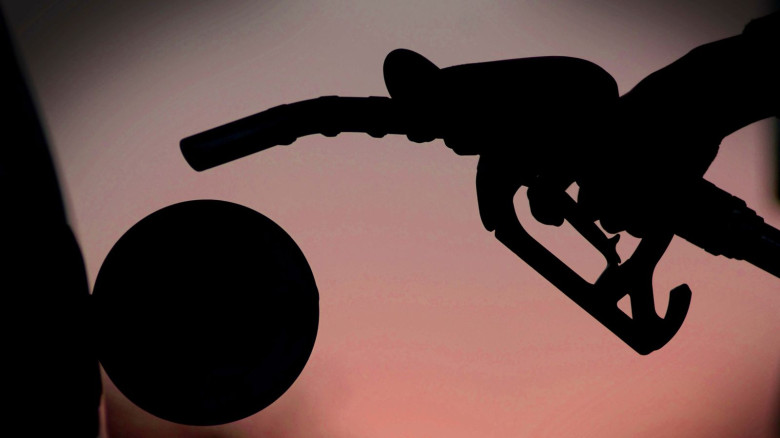
Diesel prices hit 16-month high in UK as Iran war pushes oil costs upward
London: Diesel prices in the United Kingdom have climbed to their highest level in 16 months as rising global oil costs, driven by the escalating Iran war, begin to affect fuel markets.
Industry figures show that the average price of diesel has increased sharply in recent days, while petrol prices have also risen following disruption to global oil supply routes linked to the Middle East conflict.
According to the RAC, the average price of petrol in the UK has risen by around 3 pence per litre since Saturday to approximately 136 pence per litre. Diesel prices have increased by about 5 pence per litre, reaching roughly 147 pence per litre — the highest level recorded in more than a year.
The surge in fuel prices comes after Iran launched attacks across the Gulf region in retaliation for US-Israeli strikes on its territory, triggering instability in global energy markets.
Strait of Hormuz disruption affects oil supply
One of the major concerns for global oil markets is the disruption to shipping through the Strait of Hormuz in the Persian Gulf. The narrow waterway between Iran and the United Arab Emirates normally handles more than 80 oil tankers every day.
However, amid Iranian threats and attacks, shipping activity has slowed significantly, creating concerns about oil supply and pushing wholesale fuel prices higher across Europe and the United States.
These increases have already begun to affect fuel prices in the UK. Sky News reported earlier this week that wholesale diesel costs had jumped by around 7 pence per litre, while petrol wholesale prices rose by about 2 pence.
The Petrol Retailers' Association (PRA) said these wholesale increases are expected to gradually reach consumers over the next few weeks, although some petrol stations may pass on the higher costs sooner depending on their supply contracts.
Fuel retailers deny profiteering
Despite the rising prices, the PRA said there is no evidence that retailers are exploiting the situation.
The association said fuel operators generally adjust pump prices in response to wholesale costs and that drivers should compare prices using fuel-finder apps or websites to find the cheapest options in their area.
Retailers also argued that raising prices excessively could push customers to competing stations, which would ultimately hurt business.
However, the fuel industry has long faced criticism for quickly increasing pump prices when wholesale costs rise but being slower to reduce them when oil prices fall.
A report from the UK’s Competition and Markets Authority last year found that retailers’ fuel margins had remained “persistently high,” suggesting motorists may still be paying more than necessary.
Oil prices surge amid wider conflict
Global oil prices have continued to rise as the conflict in the Middle East expands. Brent crude, the international oil benchmark, rose more than 5 percent during trading on Thursday, reaching about $85.50 per barrel — its highest level since the crisis began.
The increase followed a new wave of Iranian attacks targeting Israel, US military bases and several countries across the region, including the United Arab Emirates and Qatar.
Financial markets react to energy fears
The spike in oil prices has also affected global financial markets, with investors worried that prolonged energy disruptions could lead to higher inflation and rising interest rates.
In London, the FTSE 100 index closed nearly 1.5 percent lower, while stock markets in France and Germany recorded similar declines.
Analysts say higher energy costs could slow economic recovery and impact sectors such as housing, where rising mortgage rates are already discouraging buyers.
Financial experts warn that if the conflict continues, fuel prices are likely to rise further in the coming weeks as global markets adjust to the growing uncertainty in oil supply.


Leave A Comment