









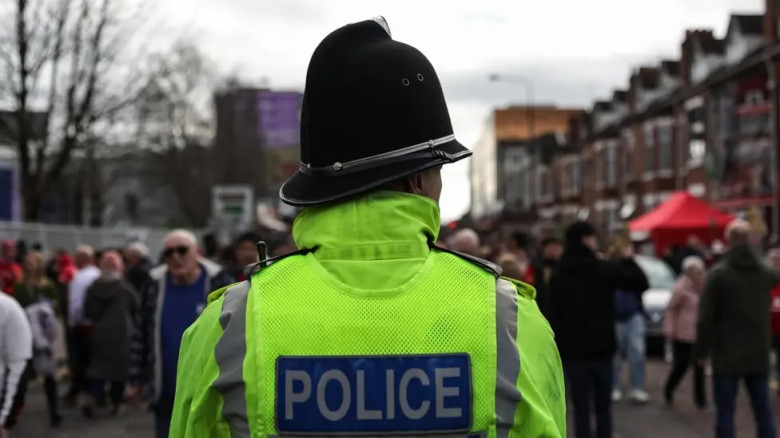
UK Government to Overhaul Non-Crime Hate Incident Rules
UK Government to Overhaul Non-Crime Hate Incident Rules
London | March 31, 2026
The UK government has announced plans to reform how police in England and Wales record non-crime hate incidents (NCHIs), aiming to reduce what it describes as the unnecessary policing of “everyday arguments.”
Under new guidance from the Home Office, police forces will only log incidents that are considered directly relevant to policing—such as those linked to preventing or solving crime, or safeguarding individuals and communities.
What Are NCHIs?
Non-crime hate incidents are reports perceived to be motivated by prejudice—such as race, religion, or gender—but do not meet the legal threshold for a criminal offence. Despite not being crimes, these incidents are recorded by police and can appear in enhanced background checks conducted by the Disclosure and Barring Service.
The system was introduced following recommendations linked to the Murder of Stephen Lawrence, with the aim of helping police gather intelligence and prevent future hate crimes.
Why the Change?
A review led by the National Police Chiefs’ Council, alongside the College of Policing, found that the current system has expanded significantly—particularly in the era of social media—leading officers to become involved in monitoring online disputes.
Between 2022 and 2025, around 30,000 such incidents were recorded, with spikes during major global events, including the Hamas attacks in Israel October 2023.
Key Reforms Proposed
The updated approach will introduce a stricter “triage system” to help police decide whether an incident should be recorded. Only cases with clear policing relevance will be logged.
The review also recommends:
- Narrowing the circumstances in which incidents are officially recorded
- Revisiting rules on disclosure during background checks
- Providing specialised training for officers
- Introducing AI tools to help navigate legal guidelines
Full implementation of the changes is expected by early 2027.
Political Reaction
Home Secretary Shabana Mahmood said the reforms would allow officers to focus on real crime rather than “perfectly legal tweets.”
However, critics from the Conservative Party argue the changes do not go far enough. Shadow Home Secretary Chris Philp described the move as “a rebrand,” warning that police resources could still be tied up in non-criminal matters.
The debate highlights ongoing tensions between safeguarding communities and protecting free speech, particularly in the digital age.


Leave A Comment