









UK Faces Scrutiny Over Defence Spending as NATO Emphasizes Military Credibility
UK Faces Scrutiny Over Defence Spending as NATO Emphasizes Military Credibility
Munich, February 13, 2026 – The United Kingdom and its European allies are under renewed scrutiny over defence spending, as NATO officials stress that military credibility matters more than sheer financial input.
A senior US defence official told NATO representatives that Europe must focus not just on how much is spent, but how effectively resources translate into combat-ready forces. The warning comes amid growing global tensions shaped by leaders including Donald Trump, Xi Jinping, and Vladimir Putin.
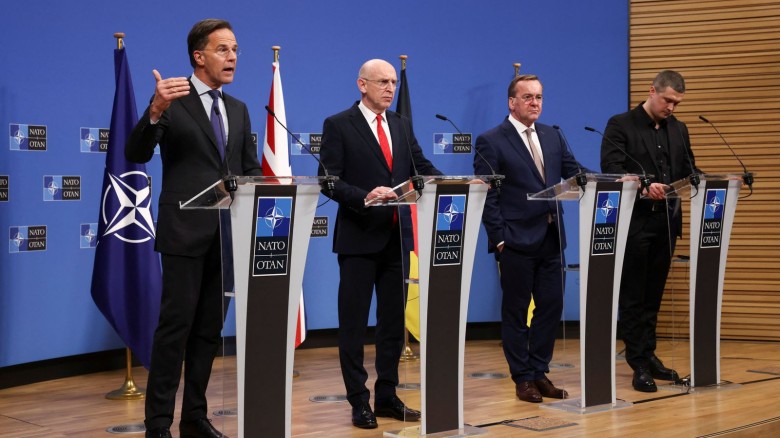
Elbridge Colby, US Under Secretary of War Policy, addressed NATO allies in Brussels on Thursday, stressing the need for Europe to take the lead in its own defence while reassuring that the United States remains committed to the alliance. “Power politics has returned, and military force is again being employed at a large scale,” Colby said.
He emphasized that pledges to increase defence spending to 5% of GDP must be matched by tangible capabilities: ready forces, usable munitions, resilient logistics, and integrated command structures capable of operating under stress. “Defence spending levels matter, but what matters at the end of the day is what those resources produce,” Colby added.
The warning comes as European nations, including the UK, prepare for discussions at a major security conference in Munich over the next three days. British Prime Minister Keir Starmer’s government has pledged to increase core defence spending gradually—from 2.5% of GDP next year to 3% by the next parliament, reaching 5% only by 2035.
Defence analysts say the pace is too slow, especially given the scale of challenges facing the UK’s armed forces and national resilience. Sources note that while financial inputs are important, converting funding into credible military output is crucial—a point where the UK is seen to be lagging.
The spending plan, announced last year, involves raising core defence expenditure to 3.5% of GDP by 2035, with an additional 1.5% allocated for broader security measures. While former US President Donald Trump welcomed the pledge, he has spoken as though these targets have already been met, despite many allies, including the UK, planning to reach the goals over the full ten-year horizon.
Analysts warn that long-term planning without immediate, tangible improvements in military capability risks leaving Europe exposed in an era of renewed great-power competition. NATO officials insist that outputs—ready troops, modern equipment, and operational effectiveness—are the true measure of defence commitment.
Colby concluded, “Europe must move beyond inputs and intentions toward outputs and capabilities, prioritizing war-fighting effectiveness over bureaucratic and regulatory stasis.” The statement serves as a wake-up call for London and other Western European capitals that have, at times, relied more on rhetoric than measurable defence readiness.


Leave A Comment