









Israeli Navy Intercepts Flotilla Bound for Gaza, Detains Activists and European Lawmakers
Israeli Navy Intercepts Flotilla Bound for Gaza, Detains Activists and European Lawmakers
Dozens of international activists — including climate activist Greta Thunberg, former Barcelona Mayor Ada Colau, and European Parliament member Rima Hassan — were detained by Israeli naval forces on Thursday after a flotilla attempting to break the Gaza blockade was intercepted.
Israeli naval commandos boarded most of the vessels in the Global Sumud Flotilla, which set sail earlier this week with more than 40 boats and nearly 450 activists. The operation, carried out in international waters, drew strong international condemnation as protests erupted across several cities worldwide.
The flotilla — the largest yet to challenge Israel’s blockade of Gaza — was carrying a symbolic amount of humanitarian aid, but organisers said their primary mission was political: “to break Israel’s illegal siege and end the ongoing genocide against the Palestinian people.”
Israel Declares Operation Over
By Thursday afternoon, Israel’s Foreign Ministry declared the interception complete, saying nearly all of the boats had been stopped. According to flotilla organisers, at least 39 boats were seized or assumed captured during a nightlong Israeli naval operation. Israeli officials later confirmed that only one vessel remained “at a distance” and would be intercepted if it continued toward Gaza.
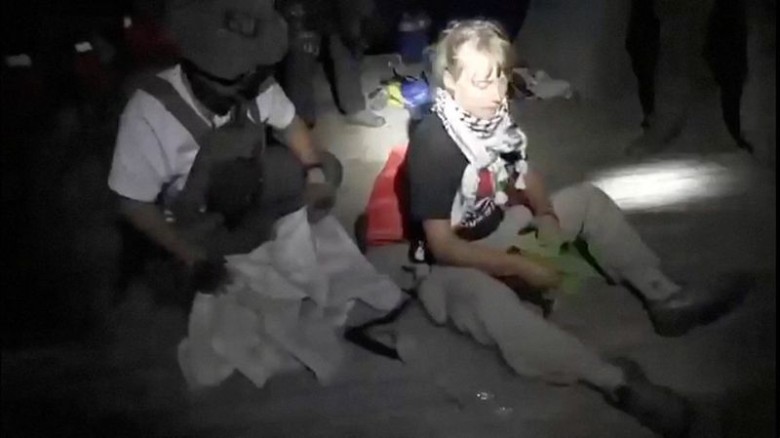
The flotilla’s live streams, which broadcasted the voyage online, lost connection as Israeli troops boarded the boats Wednesday evening. Video captured just before the communications were cut showed Israeli vessels surrounding the flotilla, using bright lights and water cannons before boarding. Some activists, wearing life jackets, sat in circles with their hands raised in non-violent resistance, while others managed to livestream the interception briefly before throwing their phones into the sea.
Israel’s Foreign Ministry later posted images of some detainees, stating they were “safe and in good health” and would be deported after processing.
Prominent Figures Among the Detained
Those detained included high-profile figures such as Swedish climate activist Greta Thunberg, former Barcelona mayor Ada Colau, and French MEP Rima Hassan. The inclusion of European lawmakers and well-known activists drew immediate international attention and fueled further criticism of Israel’s blockade.
Global Protests and Condemnations
News of the interception triggered protests in several cities, including Rome, Istanbul, Athens, and Buenos Aires. Italy’s largest trade union announced a one-day general strike on Friday in solidarity with the activists, while further demonstrations were planned across Europe.
The interception sparked swift diplomatic reactions. Turkey’s Foreign Ministry condemned the operation as an “act of terrorism” and a blatant violation of international law. Pakistan’s Foreign Ministry echoed this, describing the action as a “threat to civilian lives” and part of Israel’s “ongoing aggression” against Palestinians. Both nations highlighted the humanitarian crisis created by Israel’s blockade of Gaza, which has left over 2 million residents struggling with shortages of food, fuel, and medicine.
Colombia went further, with President Gustavo Petro announcing the expulsion of Israel’s diplomatic delegation and the termination of a free trade agreement. Petro, who has consistently described Israel’s siege of Gaza as genocide, confirmed that two Colombian citizens were among those participating in the flotilla.
European countries also issued responses. Italy, France, and Poland — which had earlier warned their citizens not to join the flotilla — confirmed they were in contact with Israel to secure the swift deportation of their nationals. Italian Prime Minister Giorgia Meloni, one of Israel’s strongest allies in Europe, criticised Italian unions for calling a strike in solidarity with the activists, saying: “I continue to believe that all this brings no benefit to the Palestinian people. On the other hand, I understand that it will bring a lot of problems to Italian citizens.”
Israel Defends the Blockade
Israel insists its blockade of Gaza is lawful under international maritime law and necessary to prevent Hamas from smuggling weapons into the territory. Israeli officials dismissed the flotilla as a “provocation,” arguing that humanitarian aid can be delivered through established channels coordinated with international agencies.
However, humanitarian groups and flotilla organisers argue that the blockade constitutes collective punishment of Gaza’s civilian population. They insist that international law guarantees the right of humanitarian aid to pass unimpeded and that their mission was entirely civilian and non-violent.
Context of the Ongoing War
The interception comes against the backdrop of the ongoing Israel-Hamas war, which began after the Hamas-led attack on southern Israel on October 7, 2023. That assault killed around 1,200 people and saw 251 others abducted. Forty-eight hostages remain in Gaza, with about 20 believed to still be alive.
In response, Israel launched a devastating military campaign. According to Gaza’s Health Ministry — part of the Hamas-run administration — more than 66,000 Palestinians have been killed since the conflict began, with women and children making up nearly half of the deaths. Although Israel rejects accusations of genocide, its military operations have levelled large parts of Gaza, drawing sharp criticism from human rights organisations and governments worldwide.
A Growing Flashpoint
Whether Israel’s naval blockade is legally justified remains hotly debated among international law experts. Israel argues it prevents arms shipments to Hamas, while critics view it as a deliberate measure to strangle Gaza’s civilian population.
For flotilla organisers, the interception only underscores the urgency of their mission. “This was not about the cargo,” one organiser said prior to the interception. “It was about showing the world that ordinary civilians, lawmakers, and humanitarians are willing to risk their freedom to demand an end to the siege.”
As the detainees await deportation and global protests intensify, the confrontation at sea has once again placed Israel’s blockade of Gaza — and the humanitarian crisis it fuels — at the centre of international debate.


Leave A Comment