








Iran Says Strait of Hormuz Cannot Reopen Amid Ceasefire Violations
Iran Says Strait of Hormuz Cannot Reopen Amid Ceasefire Violations
World Desk | April 23, 2026
Iran has said it is “not possible” to reopen the strategically vital Strait of Hormuz, citing ongoing violations of the ceasefire by the United States and Israel.
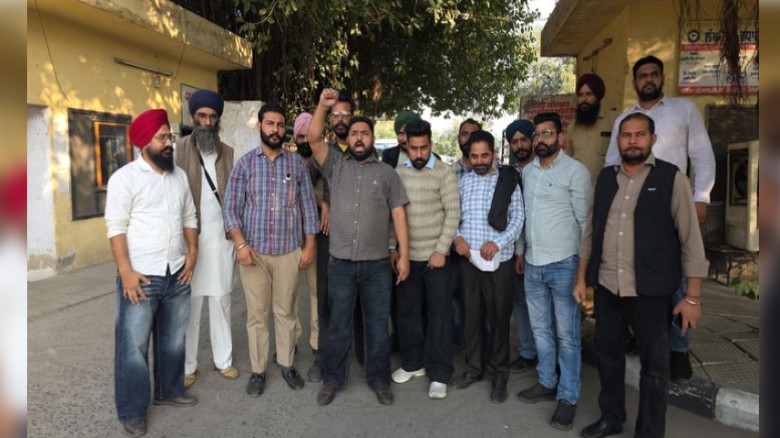
Iran’s chief negotiator Mohammad Bagher Ghalibaf stated that continued US naval blockades and Israeli military actions have made normal operations in the waterway unfeasible. He described the blockade as effectively holding the global economy “hostage.”
President Masoud Pezeshkian said Tehran remains open to negotiations but warned that breaches of commitments, sanctions, and threats remain major obstacles to meaningful dialogue.
Ceasefire Extended, Talks Uncertain
US President Donald Trump has announced an open-ended extension of the ceasefire, with no clear timeline for fresh negotiations. Planned talks in Pakistan have yet to begin, and uncertainty continues to surround diplomatic efforts.
The White House has maintained that the naval blockade remains effective, describing Iran as being in a weakened position, while signalling that decisions on further action rest with the US leadership.
Rising Tensions in Key Shipping Route
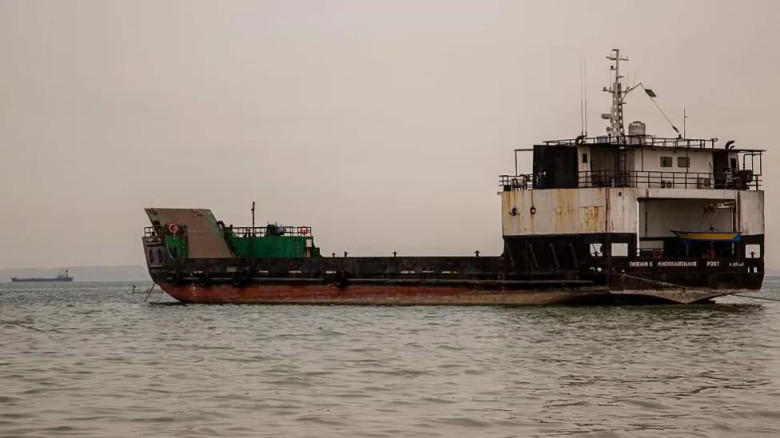
The situation in the Strait of Hormuz—a critical global oil transit corridor—remains volatile. Iran has confirmed seizing two cargo vessels for alleged violations, while reports also indicate attacks on multiple ships in the area.
Iran’s Islamic Revolutionary Guard Corps Navy said the vessels were operating without authorisation and attempting to leave the region covertly. It warned of continued monitoring and “firm action” against any violations.
Despite the tensions, US officials said the seizure of non-US vessels does not constitute a breach of the ceasefire.
Global and Regional Impact
The ongoing standoff has heightened concerns over global energy supply and maritime security. The Strait of Hormuz handles a significant portion of the world’s oil shipments, making any disruption a major risk to international markets.
Analysts say the current strategy allows Washington to maintain economic pressure on Iran without escalating into full-scale conflict, while Tehran appears focused on asserting control over the strategic waterway.
With no clear timeline for negotiations and tensions persisting at sea, the situation continues to pose serious risks for regional stability and the global economy.


Leave A Comment