





Europe’s Sanctions on Russia Prove Ineffective as Ukraine Faces Mounting Financial Crisis
Europe’s Sanctions on Russia Seen as Ineffective Without Strong Financial Support for Ukraine
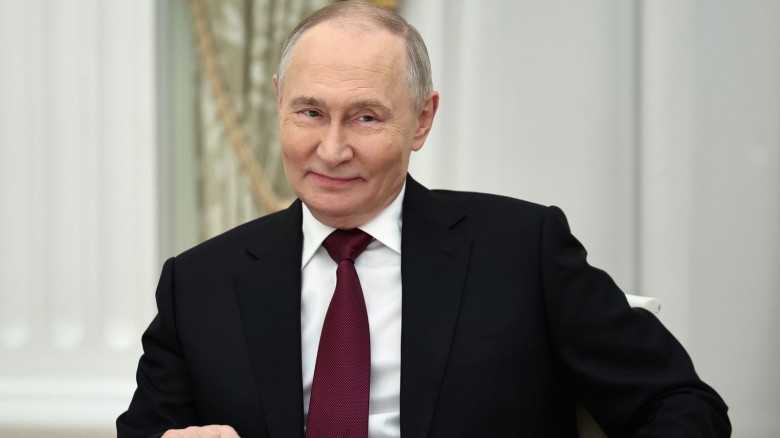
New sanctions imposed on Russia by the UK — following the release of the Dawn Sturgess public inquiry report — have reignited debate over the effectiveness of Western pressure on Moscow. Despite repeated measures taken by the UK and European governments, Russian President Vladimir Putin appears unmoved, even issuing renewed warnings to Europe this week.
As the war in Ukraine approaches its fourth year, analysts say geopolitical dynamics have shifted significantly. The US, once the principal defender of the international rules-based order, is increasingly distancing itself from Europe’s strategy and strengthening its engagement with Russia. The Trump administration has shown growing interest in potential trade and business ties with Moscow, despite concerns about Russia's actions.
Meanwhile, Ukraine continues to face severe financial pressure. With battlefield momentum gradually favouring Russian forces, Kyiv requires more than $100 billion annually to sustain its defence. But while the US has halted direct financial assistance, Europe remains divided over how to utilise frozen Russian assets to fill the gap. There is little indication that European governments are prepared to seek additional taxpayer funding to support Ukraine.
Military alternatives, such as deploying European troops, have been ruled out, leaving sanctions and political statements as the primary tools of pressure. UK Prime Minister Sir Keir Starmer recently condemned the Kremlin’s “disregard for innocent lives” after the inquiry attributed moral responsibility for the 2018 Skripal poisoning to Putin. But critics argue that without substantial financial backing for Kyiv, these statements amount to symbolic gestures rather than effective policy.
European governments are also grappling with the shifting US position. Observers note increasing tension as Washington prioritises arms sales to Ukraine through European intermediaries rather than direct support. At the same time, reports suggest that Moscow’s overtures for future business cooperation have strengthened ties between Trump and Putin.
Experts warn that relying solely on sanctions without significant economic assistance may ultimately be counterproductive. They argue that such an approach risks encouraging Ukraine to prolong the fight under the assumption that Europe will eventually provide decisive backing—an assumption Russia believes to be false.
As the conflict continues and Ukraine’s financial situation worsens, Europe faces growing pressure to reassess its strategy. However, there is currently little sign that European leaders are prepared to confront the scale of commitment required.


Leave A Comment