






Punjab Medicine Supply Dispute: Nangal Patients Travel to Himachal as Chemists Suspend Sale of Controlled Drugs
Patients living near the Punjab-Himachal Pradesh border are travelling to neighbouring Himachal Pradesh to obtain prescribed medicines after chemists in Punjab suspended the sale of several drugs subject to tighter monitoring.
The disruption, reported from Rupnagar district on November 10, 2026, has continued for more than two weeks, creating difficulties for patients who require regular medication.
Residents of Nangal, a town close to the state boundary, are among those affected by the dispute between pharmacy operators and enforcement authorities.
Two Nangal residents, Amit Kaushal and Himanshu Sharma, said they had travelled to Himachal Pradesh after being unable to obtain medicines prescribed by their doctors from local pharmacies.
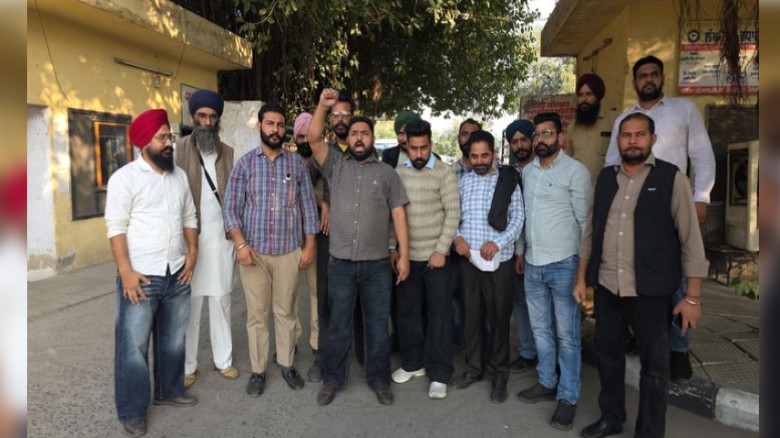
The suspension follows a decision by the Punjab Chemists Association to stop stocking and selling medicines included in the categories covered by its protest.
The association announced the measure in late October after raising concerns about alleged harassment of licensed chemists and restrictions introduced in response to the misuse of certain medicines.
The decision came amid increased scrutiny of pharmaceutical sales following the killing of anti-drug activist Parvinder Singh Jhota in Mansa.
Among the affected products are medicines used for neuropathic pain, chronic pain, anxiety-related conditions and certain seizure disorders.
Pregabalin, which is prescribed for some forms of nerve pain, is one of the medicines patients have reportedly struggled to obtain. The disruption also involves other prescription medicines requiring appropriate medical supervision.
Sudershan Chaudhary, state vice-president of the Punjab Chemists Association, said wholesalers and retailers had followed the organisation's decision to suspend sales.
He alleged that enforcement measures had created uncertainty for pharmacy businesses and said the association was awaiting discussions with the state government.
Chaudhary also argued that licensed pharmacists should not automatically be held responsible for the misuse of medicines by individuals purchasing or obtaining them improperly.
Another chemist, Karan Chaudhary, raised concerns about reported dispensing restrictions that he said differed from some prescriptions issued by medical practitioners. These claims have not been independently established as the complete legal or clinical requirements applying to all such prescriptions.
The dispute has created particular difficulties for patients who need continuing treatment. Interruptions involving some prescribed medicines can cause significant health problems, making consultation with the treating clinician important when supplies are unavailable.
Pharmacy controls are intended to prevent the diversion and misuse of medicines, but access arrangements must also account for legitimate patients receiving treatment under medical supervision.
Punjab Health Minister Dr Balbir Singh was unavailable for comment when the original report was prepared. No agreement resolving the association's suspension had been announced.
The situation has renewed attention on the need for clear dispensing guidance, communication between healthcare professionals and enforcement agencies, and reliable access to prescribed treatment. A resolution will depend on discussions between the government, pharmacy representatives and other concerned authorities.


Leave A Comment