









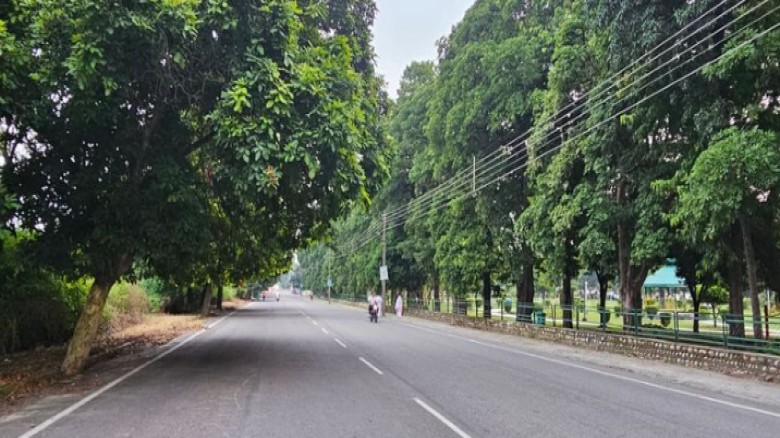
Punjab's Tree Protection Act 2026 Faces Enforcement Delays as Urban Green Cover Remains Under Threat
Punjab's newly introduced tree protection legislation is facing implementation challenges, with several municipal councils yet to complete tree surveys or appoint designated officers responsible for enforcing the law.
The Punjab Protection of Trees Act, 2026, was notified on September 24 to strengthen environmental protection and regulate the cutting of trees in urban areas across the state.
However, reports from Rupnagar district indicate that the absence of basic administrative arrangements has raised concerns about whether the legislation can effectively prevent the loss of urban green spaces.
According to municipal sources, many urban local bodies do not maintain comprehensive records identifying the number, species, age, location and condition of trees within their jurisdictions. Without this information, authorities face difficulties monitoring tree removal and assessing changes in green cover.
Another challenge concerns the reported absence of designated Tree Protection Officers in several municipal councils. These officials are responsible for examining applications to remove trees, granting permission under the applicable legal provisions and taking action against violations.
The legislation generally requires prior approval before covered trees can be felled. It also provides for compensatory plantation, requiring 10 replacement trees for every tree removed and 25 for each heritage tree, subject to the law's specified exemptions and conditions.
Unauthorised tree felling can attract environmental compensation and penalties of up to ₹10,000 per tree. Failure to comply with replacement plantation requirements can result in additional penalties, potentially reaching ₹50,000 per tree for continuing violations.
Environmental campaigners have expressed concern about trees being removed from parks, roadsides, green belts and other urban spaces as construction, commercial development and infrastructure projects continue to expand.
They have also questioned whether planting young saplings can immediately compensate for the loss of mature trees. Established trees provide shade, support biodiversity, absorb carbon dioxide and contribute to the environmental quality of urban neighbourhoods.
Responding to concerns about implementation, Punjab Education and Local Government Minister Harjot Singh Bains said the administrative framework required to enforce the legislation was being developed. He indicated that the government intended to introduce the necessary arrangements across urban local bodies.
The situation highlights the difference between notifying environmental legislation and establishing the administrative systems required to enforce it. Effective implementation will depend on comprehensive tree inventories, designated officers, monitoring procedures and action against unauthorised felling.
Although Punjab has introduced a legal framework for protecting urban trees, the full impact of the legislation remains uncertain until the required enforcement mechanisms are operational across the state's municipalities.


Leave A Comment