



Indira Gandhi Wept After Watching Operation Blue Star Footage, Sonia Gandhi Reveals in New Memoir
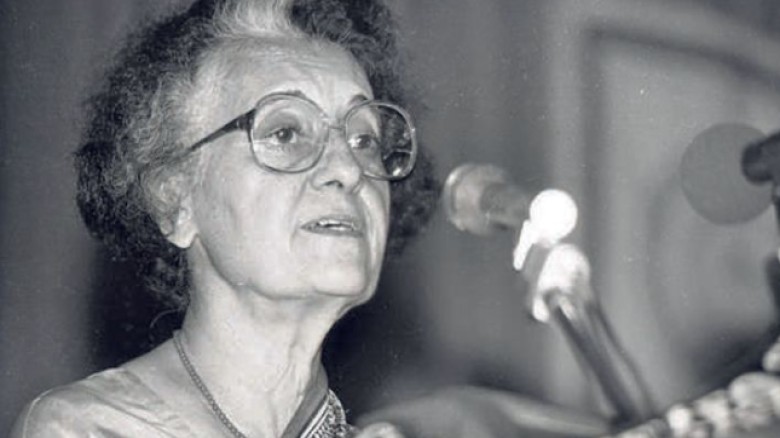
Congress Parliamentary Party chairperson Sonia Gandhi has shared a personal account of former Prime Minister Indira Gandhi's reaction to the aftermath of Operation Blue Star in June 1984, describing an emotional moment when her mother-in-law watched footage showing the destruction and loss of life at Sri Harmandir Sahib in Amritsar.
The account appears in Sonia Gandhi's memoir, Belonging: A Journey of Love, released on November 10, 2026.
According to Sonia Gandhi, an intelligence official brought footage of the military operation's aftermath to Indira Gandhi approximately one week after the operation.
The recording showed damaged parts of the Golden Temple complex, the aftermath of the fighting, military equipment and the bodies of people killed during the operation.
Sonia Gandhi recalls seeing tears on Indira Gandhi's face as she watched the footage. She interprets the reaction as an expression of pain, regret and sorrow over the casualties and the destruction caused by the operation.
Operation Blue Star was carried out by the Indian Army in June 1984 under the direction of the government headed by Indira Gandhi.
The military operation targeted armed militants, including Jarnail Singh Bhindranwale, who were present within the Golden Temple complex. It resulted in significant casualties and extensive damage, including to the Akal Takht.
The operation remains one of the most painful and disputed events in modern Sikh history. Many Sikhs regard the military action inside their holiest shrine as a profound violation of religious sanctity, while the circumstances leading to the operation and the decisions made by the government continue to be debated.
In her memoir, Sonia Gandhi presents her understanding of the worsening security situation in Punjab during the early 1980s, including political tensions, militant violence and unsuccessful efforts to reach a negotiated settlement.
She also makes allegations about the involvement of political factions and Pakistani intelligence agencies in the developments preceding the operation. These assertions reflect her account and should not be treated as independently established findings.
Sonia Gandhi writes that Indira Gandhi had continued discussions with leaders of the Shiromani Akali Dal before authorising military action. She portrays the decision as one taken amid mounting pressure and fears about the country's security.
The memoir also examines the consequences of Operation Blue Star for the Nehru-Gandhi family, including growing concerns about Indira Gandhi's personal safety.
Sonia Gandhi recalls that her mother-in-law refused to remove Sikh personnel from her security arrangements, despite warnings about possible threats.
Indira Gandhi was assassinated by two of her Sikh bodyguards on October 31, 1984. Her assassination was followed by widespread anti-Sikh violence in Delhi and other parts of India, during which thousands of Sikhs were killed.
The killings and the subsequent struggle for justice remain separate but closely connected parts of the historical debate surrounding the events of 1984.
Sonia Gandhi's memoir provides a family member's perspective on decisions and events that have been extensively examined by historians, journalists and those affected.
Her recollection of Indira Gandhi's emotional reaction adds a personal account to the historical record, but it does not resolve questions about the government's responsibility for the military operation, its consequences or the suffering experienced by the Sikh community.


Leave A Comment