









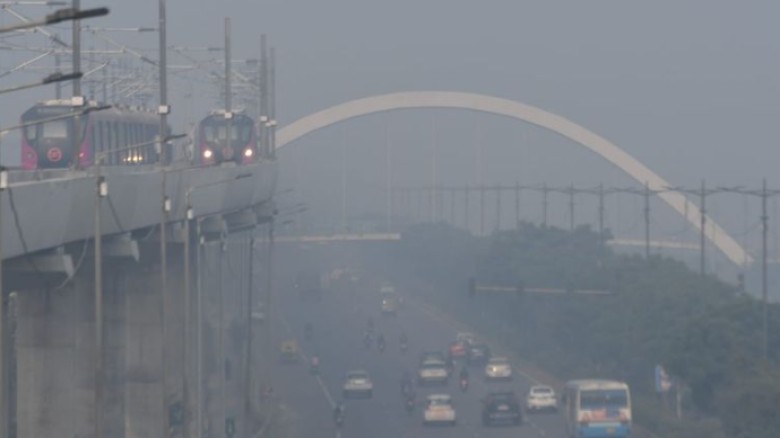
Delhi Pollution After Diwali: Kapil Mishra Alleges Conspiracy Behind Punjab Farm Fires as AQI Reaches Very Poor Levels
A political dispute has emerged over Delhi's worsening air quality following Diwali celebrations, with Delhi Cabinet Minister Kapil Mishra alleging that the sharp increase in farm fires in Punjab was part of a deliberate attempt to aggravate pollution in the national capital.
Speaking at a press conference on Monday, November 9, 2026, Mishra accused individuals allegedly associated with the Aam Aadmi Party (AAP) of deliberately setting agricultural fields on fire while farmers were celebrating Diwali.
The allegations followed satellite monitoring data showing that Punjab recorded 1,152 active farm-fire incidents on November 8, the highest single-day figure of the current harvesting season.
Mishra claimed that his party had received telephone calls from Punjab farmers reporting that unidentified individuals entered their fields, set crop residue alight and left the locations.
He questioned the sudden increase in satellite-detected fires and called for a detailed investigation. The minister also demanded that the Punjab Government register police cases and examine the phone records of political leaders and other individuals suspected of involvement.
However, no independently verified evidence establishing an organised conspiracy or linking the fires to AAP representatives was presented in the reports reviewed.
The available satellite figures also show that farm-fire incidents varied substantially before Diwali. Punjab recorded 440 fires on November 5, 357 on November 6 and 163 on November 7, rather than approximately 125 incidents on each of those days as suggested in Mishra's account.
The rise in farm fires coincided with a further deterioration in Delhi's air quality following widespread firecracker use during the festival.
According to the Central Pollution Control Board, Delhi's average Air Quality Index stood at 335 at 7 am on November 9, placing it in the very poor category. Later readings showed continuing pollution concerns.
Several monitoring stations, including Jahangirpuri, Chandni Chowk and Mundka, recorded AQI levels above 400, which fall within the severe category.
Mishra defended the Delhi Government's pollution-control measures and questioned AAP national convenor Arvind Kejriwal over criticism of Diwali firecrackers.
Meanwhile, AAP representatives challenged the government's handling of pollution data, while Congress leaders also raised questions about air-quality monitoring and the effectiveness of measures taken to reduce emissions.
Environmental reporting indicates that Delhi's seasonal pollution results from several interacting sources, including crop-residue burning, vehicle exhaust, construction dust, industrial emissions and firecrackers. Cooler temperatures and weak winds can allow pollutants to accumulate near the surface.
The documented increase in Punjab farm fires is a significant environmental development, but it does not establish the political motive alleged by Mishra.
The dispute has renewed calls for coordinated action by Punjab, Delhi and neighbouring states. Any allegation of deliberate sabotage would require evidence from a formal investigation before responsibility could be established.


Leave A Comment