









Iranian Oil Tanker Diverts from India to China Amid Sanctions Uncertainty
Iranian Oil Tanker Diverts from India to China Amid Sanctions Uncertainty
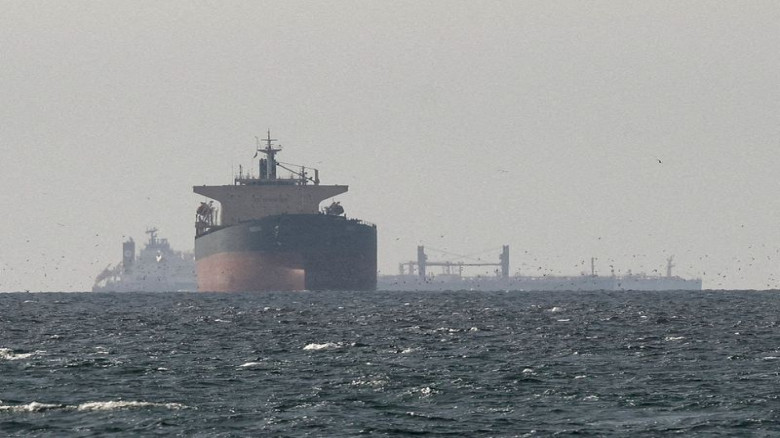
New Delhi: An Iranian crude oil tanker that was reportedly headed for India has abruptly changed course and is now signalling a Chinese destination, highlighting ongoing uncertainties surrounding global oil trade under sanctions.
According to ship-tracking data cited by energy intelligence firm Kpler, the tanker Ping Shun had initially listed Vadinar port in Gujarat as its destination. However, the vessel is now indicating Dongying in China’s Shandong province.
The tanker, built in 2002 and sanctioned by the United States in 2025, is carrying an estimated 600,000 barrels of Iranian crude. It was expected to arrive in India this week, potentially marking the country’s first import of Iranian oil since 2019, when New Delhi halted purchases following US sanctions on Tehran.
The sudden change in route has raised questions about the feasibility of resuming oil trade between India and Iran. Analysts suggest the move reflects ongoing challenges related to sanctions compliance, payment mechanisms, and insurance coverage for Iranian shipments.
Experts also note that vessel destination signals can change during transit and may not always reflect final delivery points. Kpler analysts подчеркнули that such data remains fluid and subject to revision.
The development comes shortly after the Indian government stated it had no confirmed information regarding any Iranian oil shipment heading to the country, despite earlier reports suggesting a possible arrival at Vadinar around early April.
India had stopped importing Iranian crude in May 2019 under pressure from US sanctions, subsequently diversifying its oil sourcing to countries such as Russia and other Middle Eastern suppliers. While recent geopolitical developments had sparked speculation about a potential revival of Iranian oil flows, the tanker’s diversion underscores persistent structural and financial hurdles.
Industry observers highlight that sanctions risks, limited insurance options, and complex payment arrangements continue to hinder transactions involving Iranian crude. Additionally, ongoing tensions in West Asia and risks in key shipping routes like the Strait of Hormuz further complicate the situation.
The incident reflects the fragile nature of global energy trade, where political and financial considerations often outweigh commercial intent.


Leave A Comment